 sales@zozen.com
- WhatsApp: 0086-18861589035
-
 sales@zozen.com
 Home >About
Us >News
Biomass boilers offer an effective way for factories to produce steam while making better use of renewable resources. Instead of depending only on coal, oil, or natural gas, they can burn materials such as wood chips, palm shells, crop residues, and other suitable biomass fuels. This gives manufacturers more choices when planning their energy supply. One of the main advantages of biomass boilers is that they can help reduce the use of fossil fuels and make use of local resources that might otherwise be discarded. The advantages of biomass boilers also include fuel flexibility, the potential to lower fuel costs, and support for a more sustainable production process. For factories with a steady demand for steam, these benefits can make biomass a practical option rather than simply an environmental choice.
The actual advantages of biomass boilers depend on the boiler design, fuel quality, and operating conditions. Biomass is not a single, uniform fuel. Wood chips, palm shells, straw, and other materials can differ in size, moisture, density, and ash content. A boiler must be designed around these differences to maintain stable combustion. When the fuel and equipment are properly matched, the advantages of biomass boilers can be seen in daily operation: reliable steam output, efficient fuel use, and fewer interruptions caused by unstable burning. Buyers should also consider the fuel supply available near the factory, the steam pressure required by the production line, ash removal, operating labor, and maintenance support. These factors determine whether the expected benefits can be achieved consistently over the long term.
ZOZEN: An Experienced Biomass Boiler Manufacturer
ZOZEN is an industrial boiler manufacturer with experience supplying equipment to customers in different countries and industries. Its biomass boilers have been used in textile, rubber, food processing, and other manufacturing applications overseas. These projects show that biomass steam systems can serve factories with different production needs and fuel conditions. They also help explain why the advantages of biomass boilers are attracting attention across manufacturing sectors.
For customers comparing different boiler suppliers, working with an experienced manufacturer is important. Biomass fuels vary considerably, so a boiler should be selected according to the actual fuel rather than relying on a general design. ZOZEN studies the customer's fuel characteristics and steam demand before recommending a boiler model and grate type. This approach helps turn the expected advantages of biomass boilers into practical operating results. It also allows customers to consider fuel handling, combustion performance, and long-term maintenance before making an investment.
ZOZEN Three-Drum Biomass Boiler: Designed for Different Fuels
ZOZEN's new-generation three-drum biomass boiler is designed to handle the changing characteristics of biomass fuels. According to the fuel type and its combustion properties, the boiler can be equipped with either a reciprocating grate or a chain grate. This allows the combustion system to match the material being burned. Different fuels need different feeding and movement conditions. A suitable grate helps spread the fuel evenly, maintain a stable burning layer, and give the fuel enough time to burn. This is an important part of achieving the advantages of biomass boilers in real factory operation, especially when fuel quality changes from one delivery to another.
The three-drum structure provides a large heating surface and supports efficient heat transfer. Together with the optimized furnace and combustion arrangement, it helps the boiler make full use of the heat released by the fuel. Complete combustion means that more of the fuel's energy is converted into useful heat instead of being lost through unburned material. High thermal efficiency can therefore reduce the amount of fuel needed to produce the required steam. For factories that operate for long hours, this can have a direct effect on daily fuel consumption and operating costs. This is one of the important advantages of biomass boilers when the system is correctly selected and maintained.
Another important feature is its resistance to ash accumulation. Biomass fuels often contain ash, and some types may create deposits during combustion. If ash builds up on heating surfaces, heat transfer can become less effective and cleaning work may increase. ZOZEN's new-generation design focuses on keeping the combustion process stable and reducing ash accumulation, helping the boiler maintain good heat transfer during operation. The grate option is selected according to the fuel, while the combustion and air distribution systems support more complete burning. These design features help deliver the advantages of biomass boilers through stable performance, efficient heat use, and easier day-to-day operation.
The choice between a reciprocating grate and a chain grate should be based on the actual fuel. A reciprocating grate can move and turn the fuel layer during combustion, making it suitable for certain bulk biomass fuels with varied shapes and moisture levels. A chain grate moves fuel through the furnace at a controlled speed and can be suitable for fuels with more consistent characteristics. There is no single grate type that is best for every project. ZOZEN evaluates fuel samples, moisture content, ash characteristics, and the customer's operating schedule before confirming the configuration. This practical selection process helps customers gain the advantages of biomass boilers without creating avoidable problems in fuel feeding or combustion.
Kohinoor Mills: A Biomass Boiler Project in Pakistan
A project at Kohinoor Mills in Pakistan demonstrates how a biomass boiler can support the energy needs of a large textile manufacturer. Textile production requires a continuous supply of steam for processes such as yarn treatment, dyeing, and finishing. Any interruption in steam supply can affect production schedules and product quality. Kohinoor Mills has an annual fabric output of more than 100 million meters, so the reliability of its steam system is especially important.
To support its production, the company selected a ZOZEN DZW series 20-ton biomass steam boiler with a reciprocating grate. The boiler uses biomass fuels including bulk biomass, construction templates, wood chips, and palm shells. This fuel flexibility gives the factory more options when arranging its energy supply and helps it make better use of available materials. The reciprocating grate and independent air chamber design support stable fuel movement and air distribution, helping maintain combustion even when the moisture content of the fuel is relatively high. The project reflects the advantages of biomass boilers in a real industrial setting: replacing part of the fossil-fuel demand, using a wider range of local fuels, and supporting continuous steam production.
For textile factories considering a similar change, the project also highlights the importance of matching boiler design to the production process. A suitable system needs to provide the required steam capacity and pressure while adapting to the fuel that can be sourced reliably. Fuel storage, feeding, ash handling, and routine maintenance should all be included in the planning stage. The advantages of biomass boilers are strongest when the whole steam system is considered, not just the boiler itself. A clear understanding of operating hours and fuel availability can help avoid unexpected costs after installation.
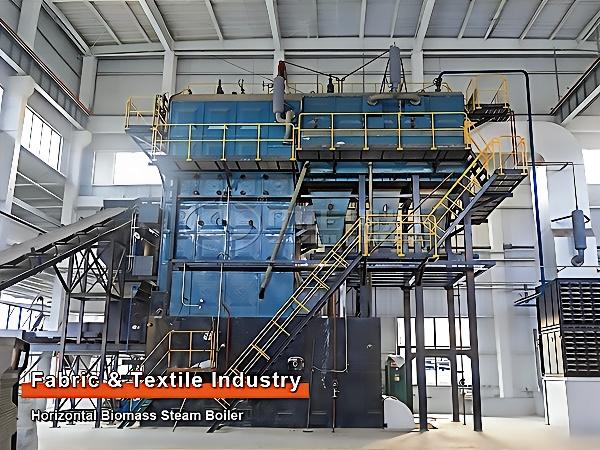
advantages of biomass boilers from ZOZEN
Choosing the Right Biomass Boiler for Industrial Production
Biomass energy can offer manufacturers a useful path toward more flexible and resource-conscious steam production. Still, results vary according to fuel quality, system design, and operating management. The advantages of biomass boilers should therefore be assessed against each factory's actual conditions. Buyers should compare not only the initial equipment cost but also expected fuel consumption, maintenance requirements, ash handling, and the availability of technical support. These details have a lasting impact on the overall cost of operating a steam system.
With its new-generation three-drum biomass boiler, selectable reciprocating or chain grate, and experience in overseas projects, ZOZEN provides solutions designed around different biomass fuels and industrial steam requirements. For manufacturers planning to improve their energy systems, choosing the right boiler configuration is an important first step toward reliable and efficient production. Understanding the advantages of biomass boilers in relation to a factory's own fuel and steam needs can help buyers make a more informed decision.




I want to comment