 sales@zozen.com
- WhatsApp: 0086-18861589035
-
 sales@zozen.com
 Home >About
Us >News
Home >About
Us >News For factories that have access to wood waste, agricultural residues, or other renewable fuels, biomass can be a practical way to produce industrial steam. However, the boiler itself must be designed around the actual fuel rather than simply selected by capacity. This is where experienced biomass boiler suppliers can make a difference. Fuel moisture, particle size, ash content, feeding conditions, and required steam output can all affect boiler performance. ZOZEN is an internationally recognized biomass boiler supplier. With strong product performance, continuous research and development, and extensive project experience, ZOZEN has gained recognition from industrial customers in both domestic and overseas markets. Its biomass boiler solutions are used in textile, food, paper, chemical, agricultural processing, wood processing, and other industries.
Choosing among biomass boiler suppliers therefore requires more than comparing equipment prices. A reliable supplier should be able to understand the customer's fuel resources and production process, then recommend a suitable combustion system. Biomass fuels can vary greatly from one region to another. Wood chips may have different moisture levels, while rice husks, cotton stalks, sawdust, and biomass pellets all behave differently during combustion. ZOZEN develops different boiler structures and grate systems to handle these variations. This fuel-oriented approach allows ZOZEN to provide more practical solutions instead of using the same configuration for every project.
Among the products offered by leading biomass boiler suppliers, the boiler structure and grate design are particularly important. ZOZEN's DZL three-drum and DZW three-drum biomass boilers are two major product lines for medium-sized and larger industrial applications. Although both are designed for biomass combustion, their grate systems are different, allowing them to match different fuel conditions.
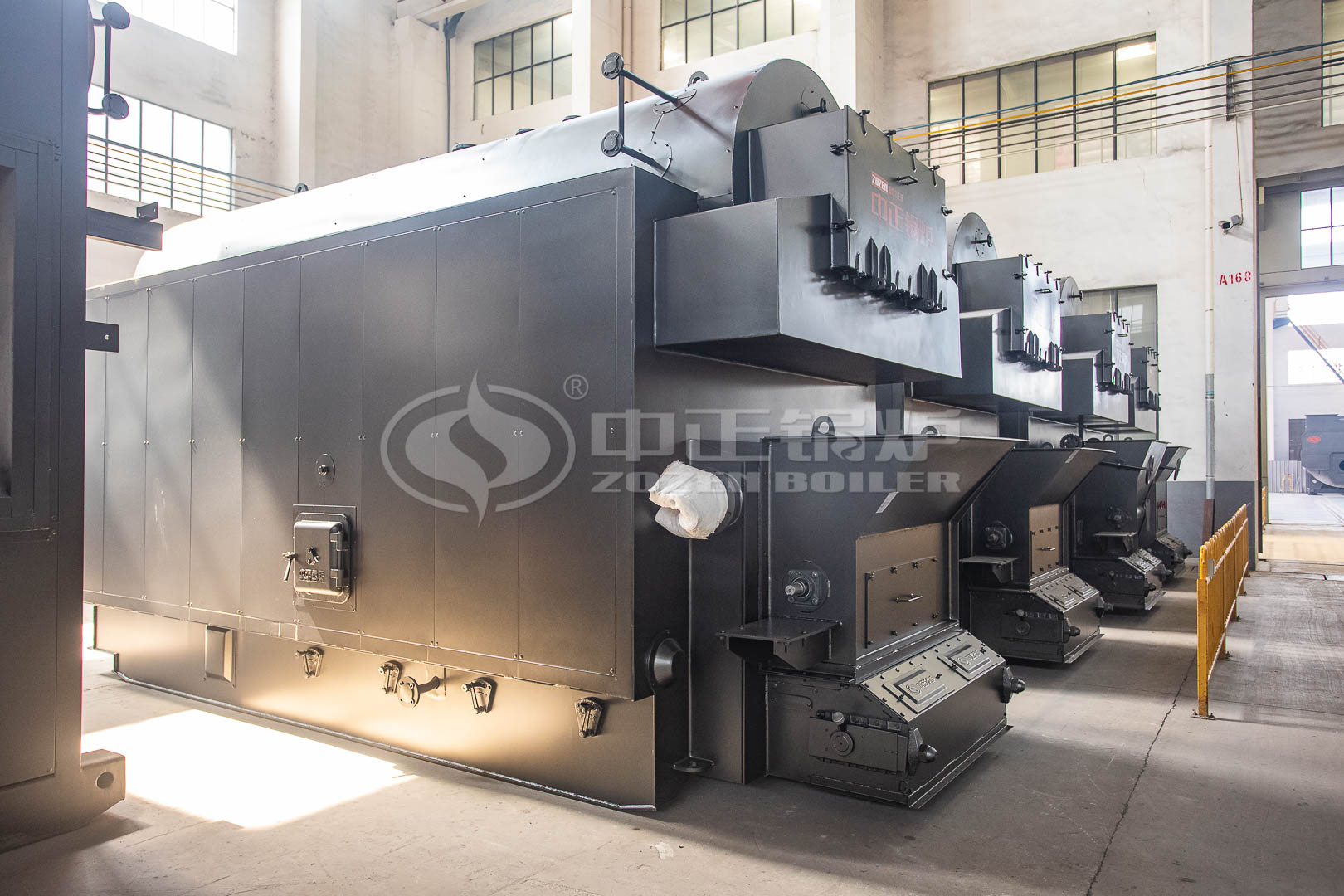
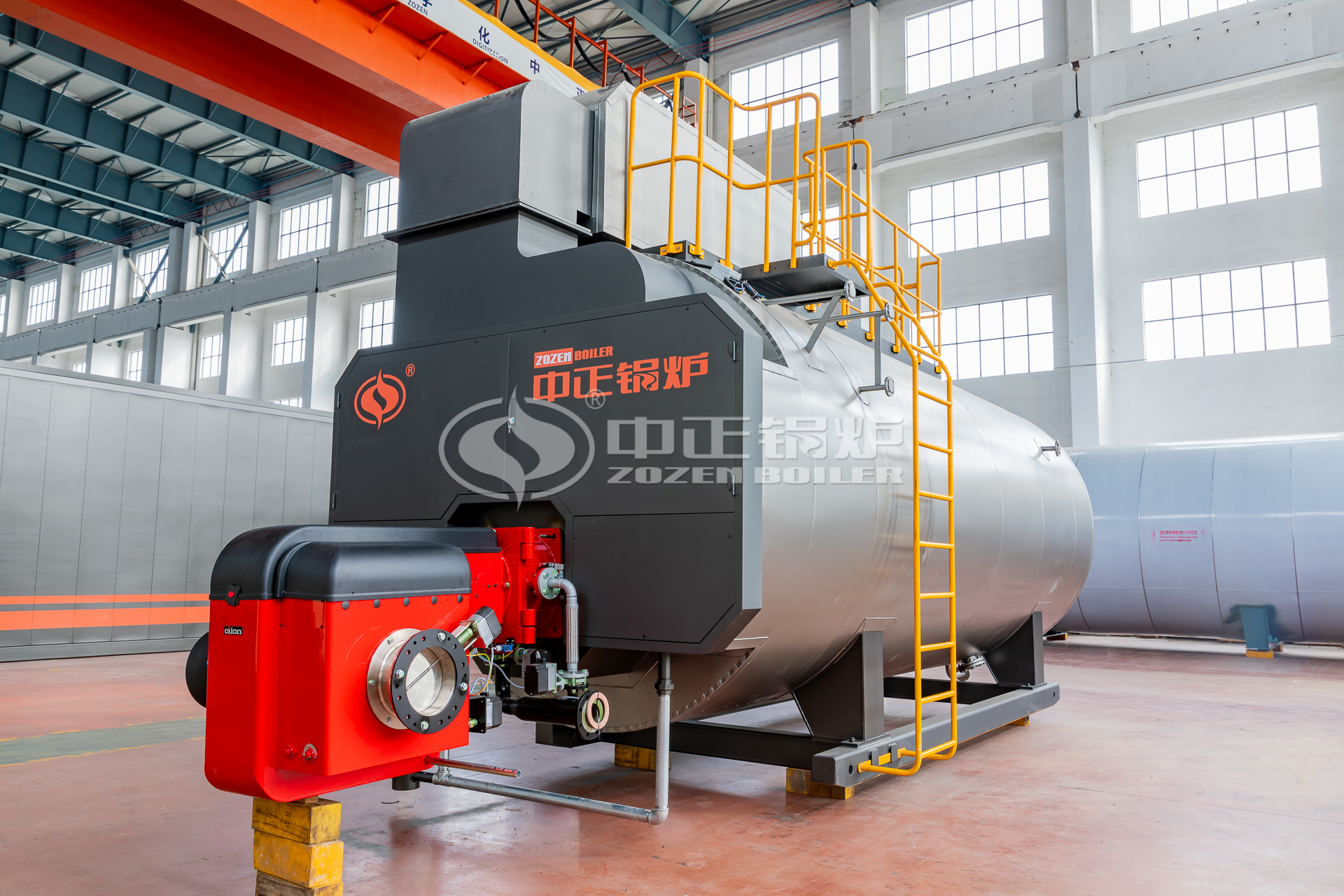
The DZL three-drum biomass boiler uses a chain grate combustion system. Fuel is continuously delivered into the furnace through the feeding system and moves along the grate during combustion. This design is suitable for many biomass fuels with relatively stable characteristics and provides continuous combustion for industrial steam production.
The furnace and air distribution system are carefully arranged to provide sufficient oxygen during combustion. This helps improve fuel burnout and reduce energy losses caused by incomplete combustion. For factories with a steady biomass fuel supply and continuous steam demand, the DZL three-drum boiler is a practical option when comparing different biomass boiler suppliers.
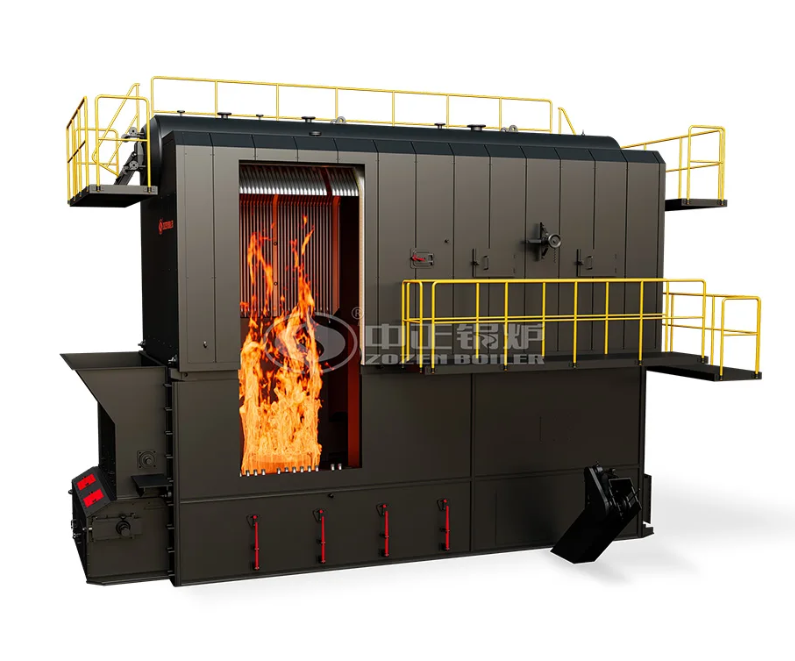
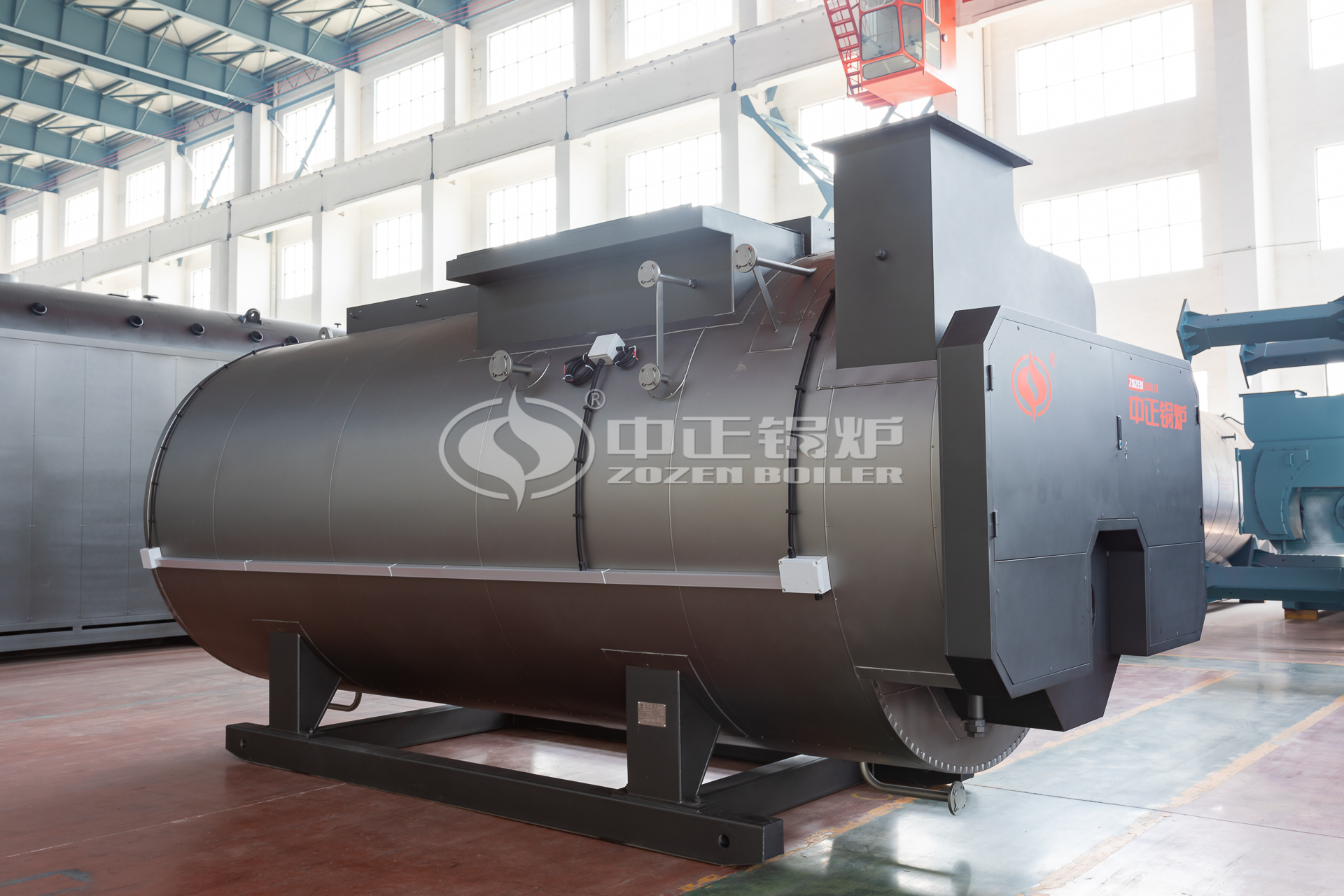
The DZW three-drum biomass boiler uses a reciprocating grate instead of a chain grate. The grate moves back and forth during operation, helping turn and redistribute the fuel layer inside the furnace. This makes the boiler particularly suitable for loose biomass fuels with varying particle sizes and moisture levels.
The DZW series is widely used for fuels such as wood chips, agricultural residues, cotton stalks, and other biomass materials. By matching the grate structure to the fuel characteristics, the boiler can maintain more stable combustion and reduce problems related to uneven burning or ash accumulation. For customers evaluating biomass boiler suppliers for more complicated fuel conditions, the DZW series provides another flexible solution.
The DZW three-drum series generally covers steam capacities of 15–35 t/h, making it suitable for medium and large industrial plants. Its reciprocating grate, optimized furnace structure, and intelligent control system help support continuous production.
For companies with relatively small steam requirements, a large biomass boiler may not be necessary. In such cases, the DZL single-drum biomass boiler can be considered. Its compact structure and relatively simple operating system make it suitable for smaller factories and applications with moderate steam demand.
The DZL single-drum series can use different biomass fuels and can be configured according to the customer's fuel characteristics. Its smaller capacity makes it easier to fit into projects where installation space and initial investment need to be controlled. This gives customers more choices when comparing biomass boiler suppliers for small and medium industrial applications.
Pakistan's textile industry is one of the country's major industrial sectors, with garments, cotton yarn, and fabrics forming an important part of export activity. Karachi is a major industrial center with many textile factories serving international markets.
For these factories, stable process steam is essential. At the same time, unreliable natural gas supply, changing energy costs, and increasing sustainability requirements have encouraged some manufacturers to explore biomass as an alternative fuel.
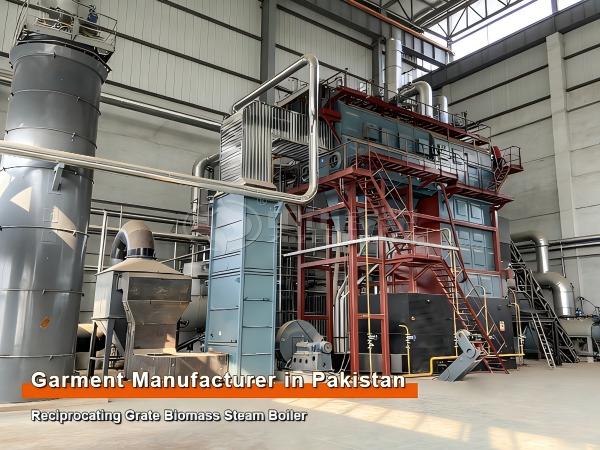
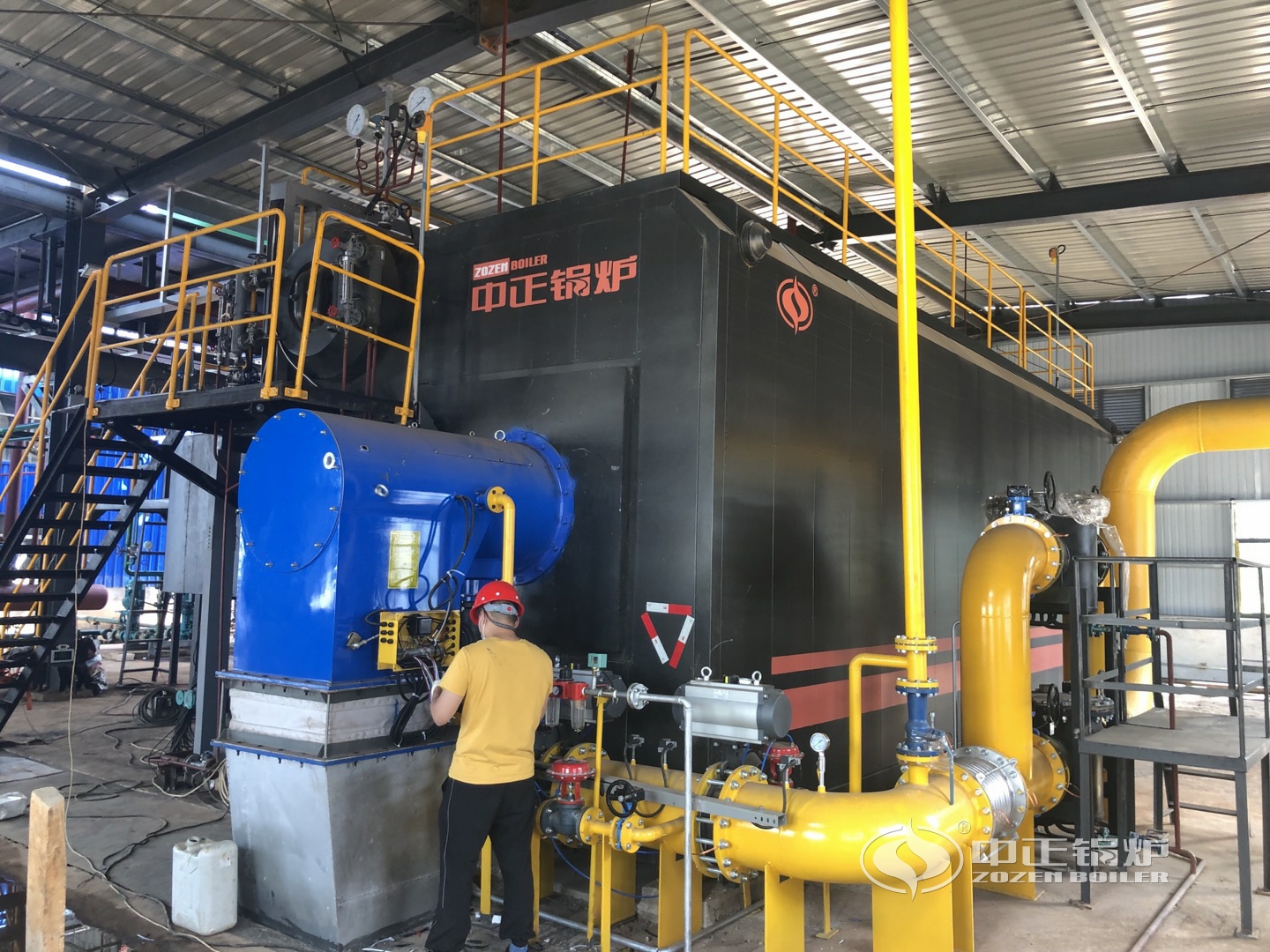
A textile factory in Karachi evaluated different heating options and eventually selected a ZOZEN DZW series reciprocating grate biomass steam boiler. The project demonstrates how the right combination of fuel adaptability and combustion technology can help a factory respond to local operating conditions.
The DZW boiler uses a reciprocating grate that gradually moves the fuel through the furnace. This helps maintain an even fuel bed and supports complete combustion. The system can handle biomass fuels including cotton stalks, bagasse, wood chips, biomass pellets, and other agricultural residues available in the region.
The boiler's thermal efficiency exceeds 86.7%, with steam output covering 15–35 t/h. An intelligent control system monitors key operating parameters and provides safety interlocks, reducing dependence on manual operating experience. A flue gas heat recovery system is also incorporated to make better use of available heat.
For the customer, the project was not simply a replacement of one fuel with another. It was a complete steam solution designed around locally available biomass resources. This is also an important point to consider when comparing biomass boiler suppliers: the value of a boiler depends on how well its combustion system matches the fuel that can actually be obtained at the factory.
A biomass boiler is a long-term investment. The quality of manufacturing, engineering support, spare parts availability, and after-sales response can all influence the total cost of ownership. For this reason, customers should evaluate the complete service capability of biomass boiler suppliers, rather than focusing only on the initial equipment quotation.
ZOZEN has a dedicated research and development team working on boiler combustion, heat transfer, fuel adaptability, control systems, and energy-saving technologies. The company has accumulated extensive experience with different biomass fuels through projects in various countries and industries. This practical experience helps engineers make better decisions when designing a biomass boiler for a specific application.
Manufacturing capability is another important part of ZOZEN's strength. The company operates a large modern production base with professional processing equipment, welding systems, assembly facilities, and quality inspection procedures. From material selection and component processing to assembly and testing, production is managed according to established quality standards.
ZOZEN also holds major certifications, including the Class A Boiler Manufacturing License, ASME certification, and CE certification. These qualifications support the company's ability to supply industrial boiler equipment for international markets. For customers comparing biomass boiler suppliers, internationally recognized manufacturing qualifications can provide additional confidence when selecting a long-term equipment partner.
But equipment delivery is only the beginning of a biomass boiler project. Installation, commissioning, operation, and maintenance can all affect the actual performance of the system. ZOZEN therefore provides technical support throughout the project lifecycle.
Before delivery, ZOZEN engineers communicate with customers about fuel characteristics, steam requirements, installation conditions, and auxiliary equipment. During installation and commissioning, technical guidance can be provided to help ensure that the boiler system is correctly assembled and adjusted.
After commissioning, ZOZEN continues to provide operation guidance, maintenance recommendations, spare parts support, and technical assistance. For overseas projects, ZOZEN has developed service capabilities in multiple regions and works with local partners where appropriate. Remote technical support can also help customers resolve operating questions more quickly.
This complete approach is particularly important when selecting biomass boiler suppliers because biomass combustion can be affected by seasonal fuel changes, moisture variations, and differences in fuel preparation. A supplier that understands these factors can provide more useful support throughout the boiler's operating life.
For customers with small steam requirements, ZOZEN can recommend the DZL single-drum series. For medium and larger applications, the DZL three-drum and DZW three-drum series provide different combustion options. By selecting the grate according to the fuel characteristics, customers can achieve more stable combustion and better fuel utilization.
In today's industrial market, biomass is becoming an increasingly practical energy option for factories that have access to suitable renewable fuels. However, the success of a biomass project depends on choosing the right equipment, combustion technology, and service partner. Among global biomass boiler suppliers, ZOZEN combines product development, manufacturing, engineering design, project experience, and after-sales support to provide complete biomass steam solutions.



I want to comment